Which Aerodynamic Components Are Best For My Type of Car
Aerodynamic parts are as important as any other modification one would put on their car for a performance gain. Just like any other performance modification, aerodynamic components require fine tuning to enable the driver to get the most out of it. Let’s take a look at some common vehicle layouts to see the benefit of each type of aero component.
Front Aerodynamic Components
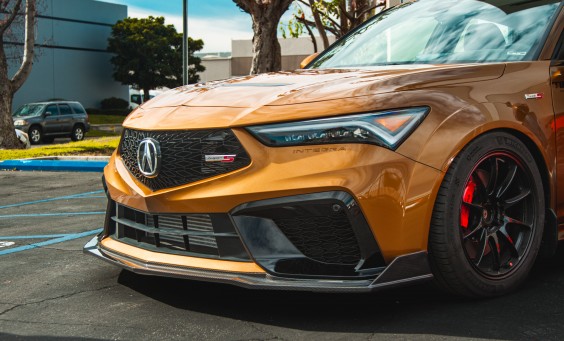
Lip spoilers, diffusers, splitters, and canards are all components that can be utilized to product downforce in front of the vehicle. These components are especially useful to the following vehicles.
Front-Engine/Front-Wheel Drive (FF):
Power output from FF cars obviously comes from the front of the vehicle. At high speeds, vehicles tend to lift. This lifting effect reduces traction. To prevent the loss of traction, FF cars can utilize components such as front splitters and front canards to give more downforce to the front of the vehicle allowing more power delivery to the ground from the engine.
Mid-Engine/Rear-Wheel Drive (MR):
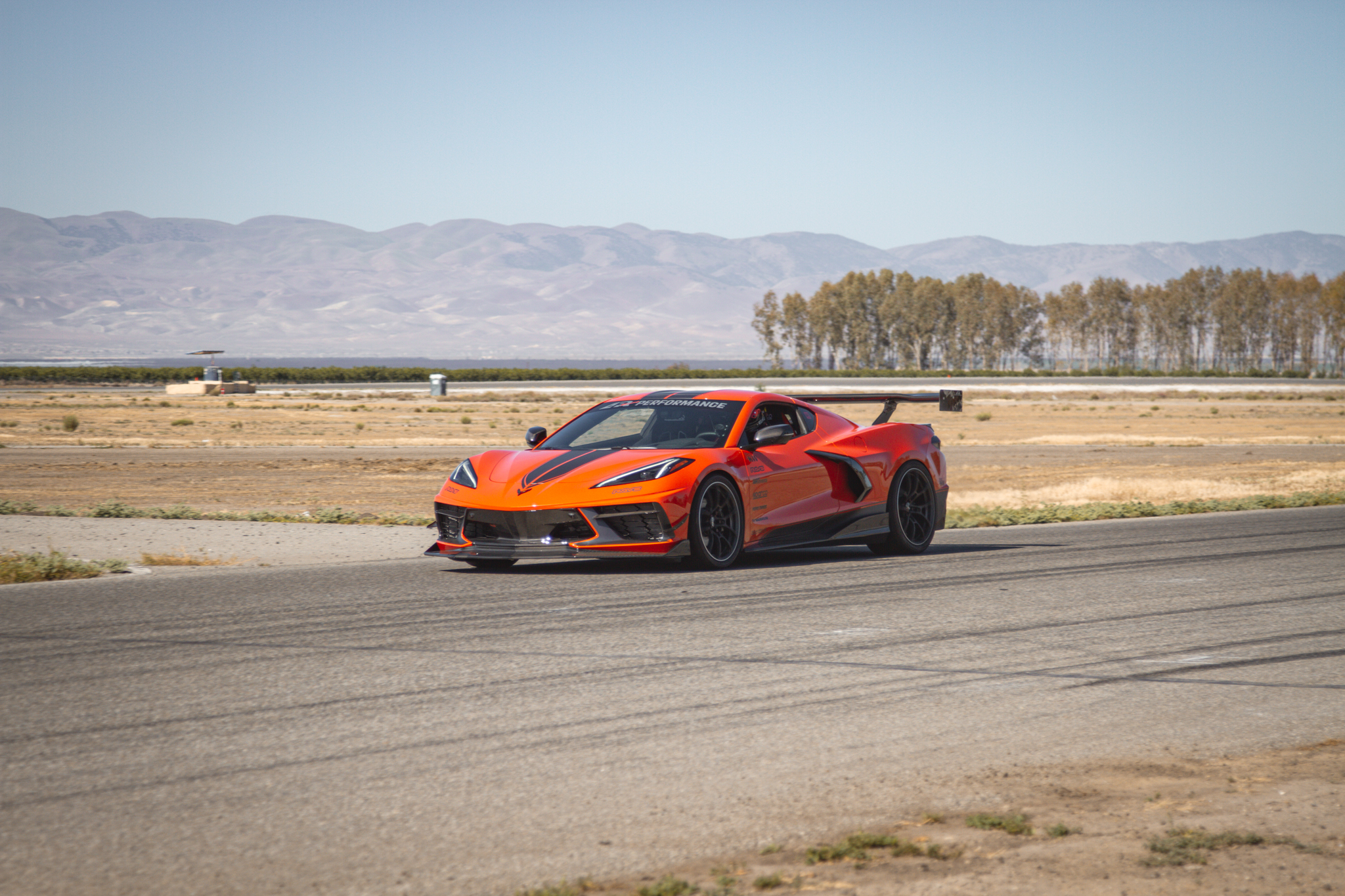
Since the center of gravity of MR cars is near the center of the car, MR cars tend to be lighter in the front of the vehicle. This gives MR cars a tendency to oversteer or snap (quickly kicking the back out) easily. To balance this effect, the use of front aerodynamic components can provide more traction in the front of the car.
Rear Aerodynamic Components
Rear wings, spoilers and diffusers are all components that can be utilized to product downforce in rear of the vehicle. These components are especially useful to the following vehicles.

Front-Engine/Front-Wheel Drive (FF):
Because FF vehicles are lighter in the rear, it is important to add more downforce in the rear to achieve more balance. Rear wings and spoilers can do both of these effects.
Front-Engine/Rear-Wheel Drive (FR):
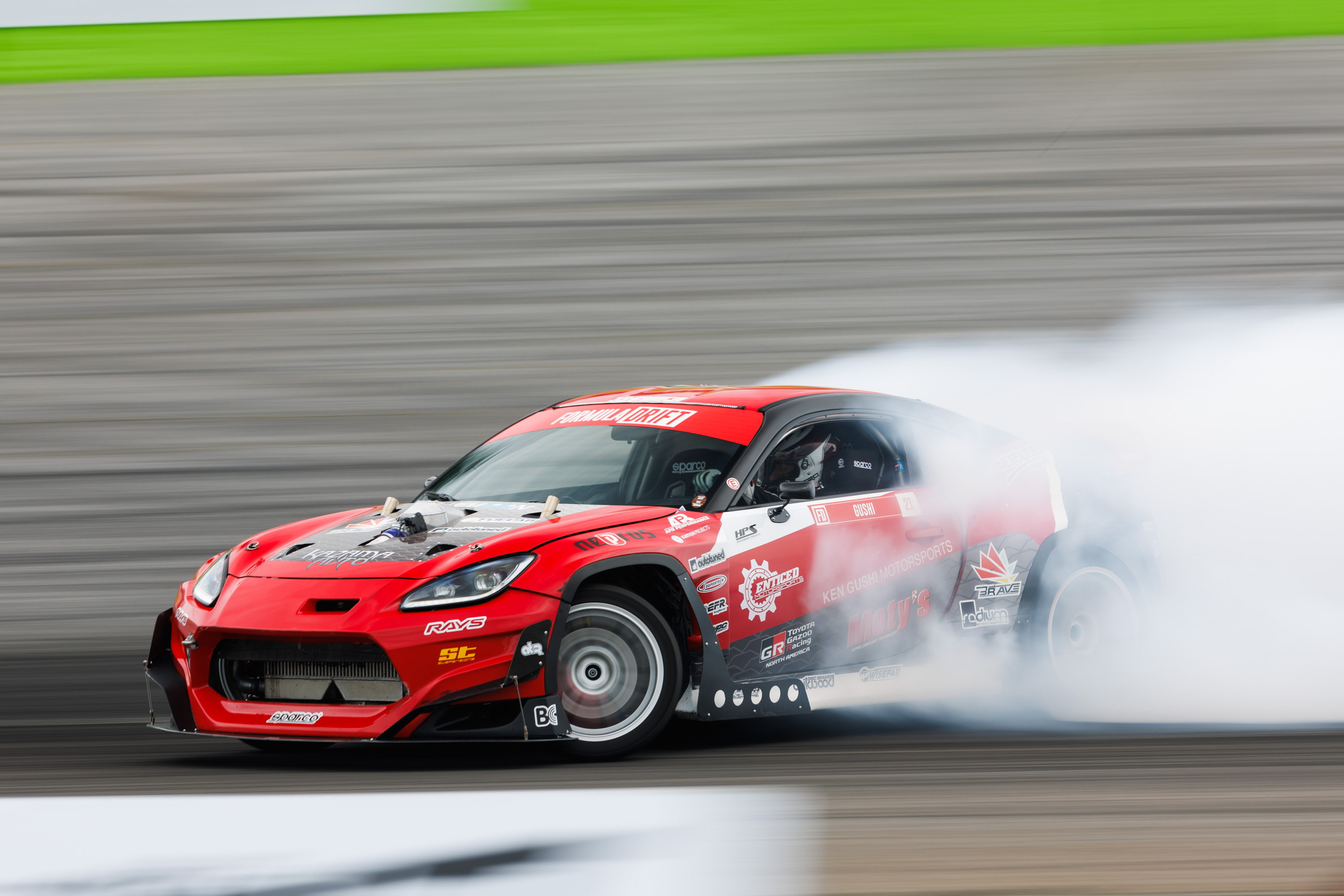
The engine output from FR cars comes from the rear two wheels. To help delivery the output from the rear wheels, aerodynamic components such as rear wings can help create downforce giving the rear wheels traction.